What you are paying for
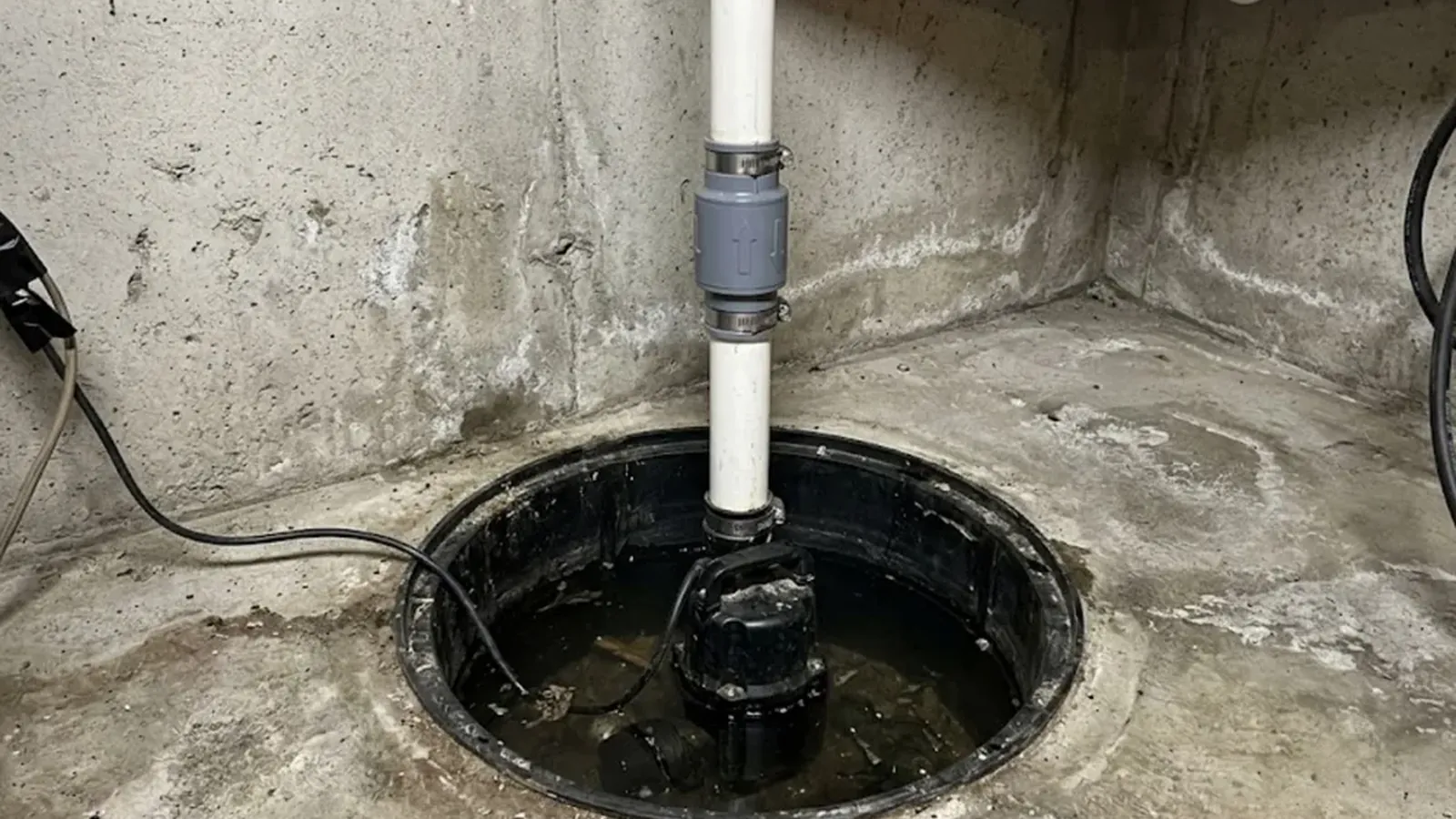
A sump pump system has more parts than the pump. There is a pit, usually a plastic basin set in the floor. There is a pump, a check valve that keeps water from flowing back, a discharge pipe that carries water outside and a power source. There may be a battery backup, an alarm and a lid sealed against radon and humidity.
Quotes differ when they assume different parts. Compare line by line. A low price that leaves out the check valve, the discharge route or the backup is not comparable to a higher one that includes them.
Whether the basement already has a pit matters most. Replacing a pump in an existing pit is a modest job. Cutting a new pit through a slab is a larger one.
What moves the price
We give a clear price before work starts. These items decide it.
Call for your real number: (651) 946-0134.
Pump types compared
The right pump depends on the pit and the usage.
| Type | Strengths | Limits |
|---|---|---|
| Submersible | Quiet, handles debris, sits below the water | Costs more, harder to service. |
| Pedestal | Lower price, easy to service | Louder, shorter life, needs a narrow pit. |
| Battery backup | Runs when power fails | Needs battery maintenance. |
| Water-powered backup | No battery, uses water pressure | Uses city water and may not be allowed everywhere. |
Local note: discharge rules and permits
Where a sump pump discharges is a local question. Ask the City of Inver Grove Heights Permits and Inspections office at 651-450-2550 before you add or reroute a discharge line. Rules about discharge to the street, to a neighbor's lot or to the sewer vary by city. Do not connect a sump discharge to a sanitary sewer or a septic system without confirming it is allowed.
Part of the city is not on city sewer. Septic systems are especially sensitive to extra water. Rosemount, where the city lists hardness at 17 grains per gallon, has a different mix of newer and older basements, and the same advice applies there.
Winter and discharge lines
A sump discharge line that freezes is a frequent winter failure. The pump runs, the pipe is blocked by ice, and the pit fills. Slope the discharge so it drains, use a pipe with a larger diameter near the exit, and consider a freeze-resistant outlet that opens if the line ices over.
A backup pump matters most in a storm, when a power outage and heavy water arrive together. If your basement has taken on water before, plan for a backup. Our sump pump repair page covers service and maintenance.
If water keeps coming in through walls or the floor joint, a pump alone may not be enough. See basement waterproofing.
Questions to ask a contractor
Ask what is included: pit, pump, check valve, discharge pipe, power connection and permit. Ask what happens to the concrete and who restores the floor. Ask about the warranty on the pump and on the labor. Ask whether the quote assumes a new pit or an existing one.
Ask for the pump model and capacity. Ask how the pump was sized for your house. Ask what you should do each year to maintain it. A pump that gets a spring test lasts longer.
Homes in Rosemount and West St. Paul vary a great deal, so a house visit is the only way to get a real price.
Testing the system after installation
A good installer tests the system before leaving. They pour water into the pit and watch the pump start, move the water and shut off. They check that the check valve closes and that the discharge outlet flows freely outside.
Ask them to show you how to test the pump yourself. Plan to run that test each spring and after any long dry spell. If you have a battery backup, test it too, and note the battery's age.
Radon, lids and sealed pits
A sump pit is an opening in the slab, and soil gases can come up through it. A sealed pit lid with a gasket keeps humid air and radon from entering the basement, and it keeps debris and small animals out. Many installers use a sealed lid as standard.
A sealed lid needs a way for the discharge pipe and power cord to pass through, and a vent for an interior pit if the system calls for one. If radon is a concern, test your home with a basic kit, and ask the installer whether the pit can be part of a radon mitigation plan.
Noise, vibration and placement
Pumps cycle on and off, and the sound carries through a quiet house. A submersible pump in a sealed pit is quieter than a pedestal pump. Check valves can slam when the pump shuts off. A quiet-style check valve reduces the noise.
Placement matters. A pit in a corner near a finished room can bother sleepers. Ask where the pit will go and how the discharge pipe will run through the wall, and ask for the pipe to be supported so it does not rattle.
Power failures and backup options
A sump pump cannot run when the power is out, and storms that bring heavy rain often bring outages. Ask about a battery backup or a water-powered backup, and ask how long each would run. Test the backup twice a year by lifting the float and listening for the pump.
Questions about sump pump installation
A pump swap can take a couple of hours. A new pit takes a day or more.
If power outages come with storms in your area, yes.
It depends on local rules. Ask the city's Permits and Inspections office at 651-450-2550.
Often around ten years, less if it runs constantly.
No. It removes water that reaches the pit. Waterproofing addresses the entry points.
Need help with this in Inver Grove Heights?
Call the 24/7 line and describe what is happening.
Call (651) 946-0134